Showing posts with label video editing. Show all posts

Wednesday, September 10, 2014

Video Editing: Split Screen Initiative

I'm finally getting back to making videos. The production schedule is aggressive, so be on the lookout for videos. Today, I'm going to cover split screen compositing.
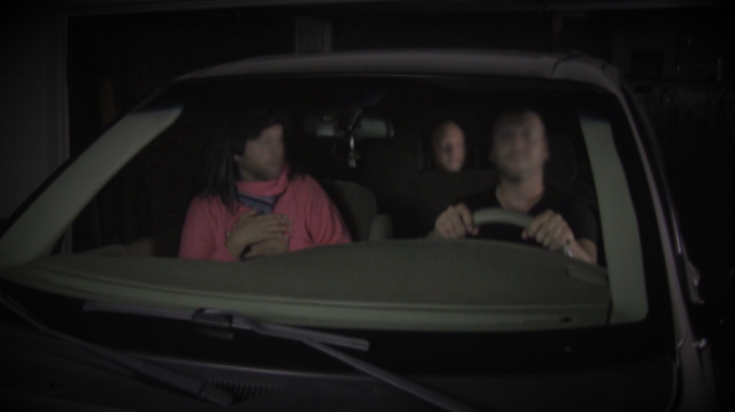
I used one actor for three different roles. While more time should have been spent on pre-production and planning, the concepts are helpful regardless. The split screen idea was developed on the fly, use my advice to perfect your process.

One actor, three parts. The power of split screen.

Friday, June 27, 2014

Removing White Noise from an Audio Track

Audacity is a free audio editor. Among the various features, we are going to focus on noise removal.
This tool will be helpful if you are recording dialog and want to remove white noise. You need to be sure to record a few seconds of ambient noise so that you have a good sample. This works best if you are removing a constant hum.

Open your audio file, then using your mouse to click and drag, select a portion of white noise, that is devoid of any dialog or sound you want to keep.

The white noise sample is selected.

Wednesday, June 25, 2014

Video Editing Introduction


Lightworks is a great video editing program. It can be intimidating upon first starting the program.
Check out my other topics related to video editing.

Lightworks is versatile, yet quickly becomes complicated with multiple video and audio tracks.


Lightworks edit with five video tracks and four audio tracks.
I'm going to run through a few simple commands that are the basis of Lightworks.

Monday, June 23, 2014

Importing Into Lightworks Via Handbrake

This is a quick work flow of how I transcode my video to prepare it for Lightworks. See my introduction post on Lightworks coming on Wednesday.

If your camera or phone outputs interlaced video, you will want to run it through Handbrake to de-interlace the video and optimize it for Lightworks. This also includes options to set the frame rate.
Interlacing is done to double the perceived frame rate by imposing two fields of the video onto the same frame. The issue with interlaced frames is that quick movements can look blurred or fuzzy. De-itnerlacing solves the issue.

Once Handbrake is running, click the Source button and select the video file you need to prepare for Lightworks.

Click the source button to locate your video file.

Wednesday, June 11, 2014

An Introduction to the Business of Video

Creating a film as a personal project is an enriching experience. Creating a film for someone else where you are getting paid, is quite another.

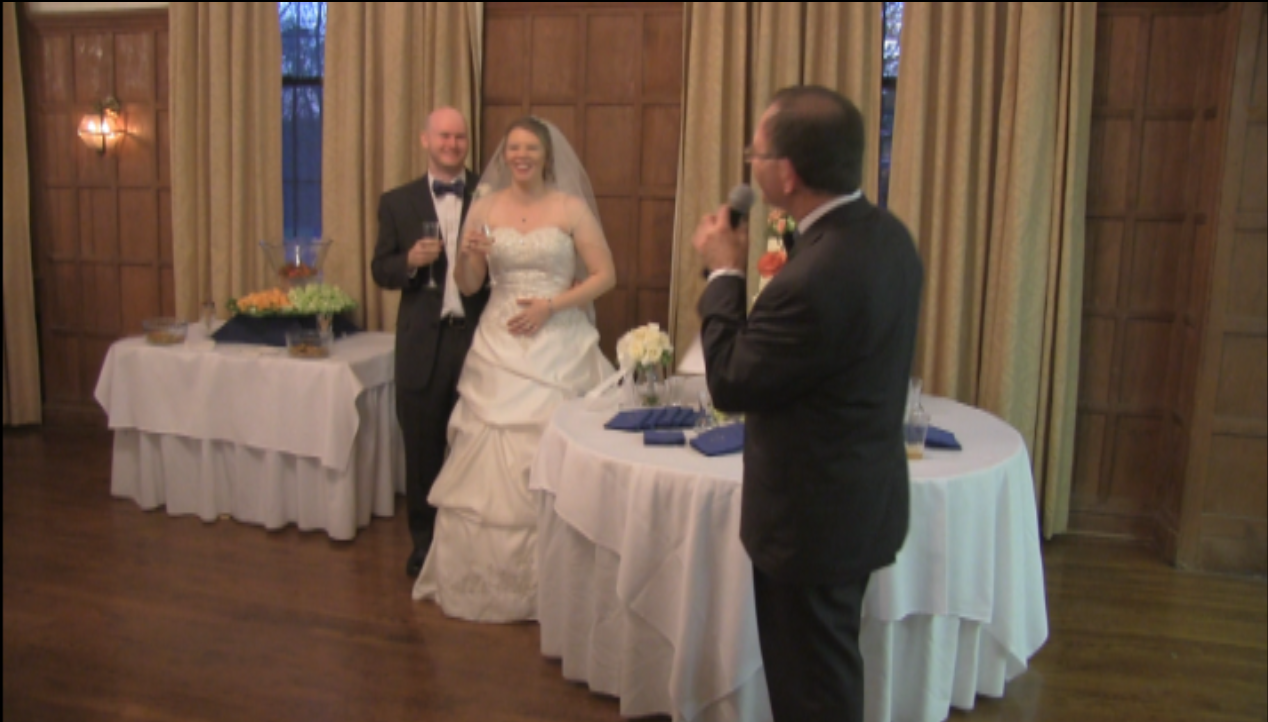
I was asked to film a wedding, which is amazing due to the fact that my resume contains only horror and comedy shorts. I will talk through the points I considered during this project for hire, and things to remember if you want to make a run at turning your hobby into a business.

Since you are here for visual entertainment, here is the streaming video package that was part of the contract. Keep reading if you want a little bit of insight into the process.


Wednesday, June 4, 2014

Color Grading


I've done very little color grading with my previous videos, but that is going to change after the great results of my recent project.


Here is an example of color grading, both before and after shots that I took as I share what I've learned from mainly trial and error and what little I remember of color theory.

Original Image

Wednesday, September 4, 2013

Video: Smiling Jack Always Laughs Last

Chances are you saw my previous post where I discussed pre-production of Smiling Jack Always Laughs Last.  Here is the video


Three hours of filming, one hour of video review, about an hour on music, and three hours to edit.

I wish I could have gotten a better mob together, but I'm really pleased with how the scene came out considering I only had two actors in that scene. I also really like the soundtrack queues.

The rough cut of edits was 17 minutes long. The finished video is 5:30.

A big thanks to everyone that helped.

Monday, September 2, 2013

How to Build a Camera Mount

Hand held filming can be bouncy and jarring. You could spend a lot of money on different set ups or you could build the equivalent of a Fig Rig for $16.

Designed by director Mike Figgis, the Fig Rig helps produce steady shots.  Your arms absorb the shock of walking without transferring those movements directly to the camera.

The Fig Rig camera mount.

Monday, June 10, 2013

Budget Video Editing

Until Lightworks changed their business model to offer free video editing software, I had no way to edit professionally looking video. Something I had wanted to do since a college course.

Lightworks is a professional non-linear editing software used in a number of big budget movies.  Pulp Fiction, Raging Bull, Shutter Island, The Departed, Lock Stock and Two Smoking Barrels- all great films, all edited with Lightworks.

I have been able to implement any editing and video trick I have imagined so far.

Here is my work flow.

The Lightworks interface.
Blogger Widget